
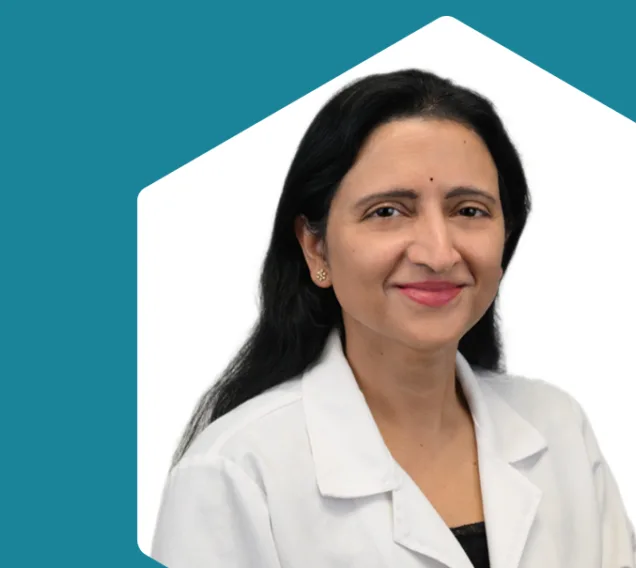
OMA Member Story: Venkata Sushma Chamarthi, MD, DABOM
Share this post
Bringing Obesity Care to Primary Care
From an early age, Venkata Sushma Chamarthi, MD, DABOM, knew medicine was the path she wanted to pursue.
Long before she entered medical school, she knew she wanted to become a physician. Although no one in her family had worked in healthcare, she never questioned the path she wanted to take.
Today, she serves as an outpatient primary care pediatrician and obesity medicine specialist at Valley Children's Healthcare in Fresno, California, where she helps children and families navigate the complex health challenges they face.
But it wasn't until the COVID-19 pandemic that she found a new calling within the field of pediatric medicine.
Answering a Growing Need
During the pandemic, Dr. Sushma Chamarthi practiced in a rural community outside of Fresno, California.
As schools closed and children spent more time indoors, she started seeing more of her young patients gain weight.
Many of the patients had limited opportunities for physical activity. Families faced food shortages and often relied on ultra-processed foods that were easier to find. Screen time increased while outdoor play decreased.
Obesity became one of the most common conditions she saw.
"Normally, the prevalence was about one in five," she said. "At that time, it was closer to one in two or three patients who were overweight."
While the need for obesity care was obvious, there wasn't an obesity medicine specialist nearby she could refer patients to.
"They needed help," she said. "And they needed it from primary care."
Determined to provide that care herself, she steered her path towards obesity medicine. She discovered the Obesity Medicine Association while preparing for board certification by the American Board of Obesity Medicine.
Even before taking the exam, she began treating patients using evidence-based resources from professional organizations. Becoming board-certified gave her additional confidence and validation for the work she was already doing.
Today, other providers regularly refer pediatric obesity patients to her practice.
One Patient Changed Everything
Although she has helped many children since entering obesity medicine, one patient stands out for Dr. Sushma Chamarthi.
The patient was the daughter of a former colleague. She didn't come to the appointment because of her weight. Instead, she was struggling with depression, eczema, and behavioral concerns.
As Dr. Sushma Chamarthi evaluated her, she noticed the patient’s BMI placed her in the obesity range. Rather than viewing obesity as a separate issue, she recognized it as a chronic disease that could be affecting many aspects of the patient's health.
"Obesity is a chronic disease," she explained. "It's not a matter of willpower. It's not a matter of calories in and calories out. It's just like asthma, diabetes, or ADHD. It's a disease that we need to treat."
Together, they developed a treatment plan. Six months later, the transformation went far beyond weight.
The patient returned to school and started going to the gym. All the while, her confidence slowly returned and, most importantly, she started smiling again.
This transformation made the father emotional during a follow-up visit. He cried to Dr Sushma Chamarthi and thanked her for bringing his daughter back.
For Dr. Sushma Chamarthi, moments like this reinforce why obesity medicine matters.
Doing More with Less
One of the biggest challenges Dr. Sushma Chamarthi faces in caring for patients with obesity is resources.
Unlike some obesity programs, her practice doesn't have an extensive multidisciplinary team. Insurance often doesn't cover obesity medications, transportation can prevent families from attending appointments, and mental health services are difficult to access.
Even finding safe places for children to be physically active can be challenging for some families.
Rather than focusing on what isn't available, Dr. Sushma Chamarthi focuses on what she can provide.
She has created concise educational handouts covering topics such as nutrition, medications, and treatment options.
"You can’t give 20 pages of information to a patient," she said.
Instead, she designs practical, one-page resources that parents can easily understand and reference at home.
Every resource is created with one goal in mind: making obesity care more accessible.
Obesity Care Starts in Primary Care
One message Dr. Sushma Chamarthi hopes more healthcare professionals understand is that obesity treatment doesn't have to be limited to specialty clinics.
Many primary care providers hesitate to treat obesity because they feel it falls outside their expertise. She believes otherwise.
"It is doable in primary care if you can get the right knowledge and resources," she said.
While she encourages clinicians to pursue additional education whenever possible, she emphasizes that every primary care provider can begin having conversations about obesity today.
"You don't have to have all the training to start."
The most important step is recognizing obesity for what it is: a chronic disease, followed by partnering with patients and families.
"Start with your patient and say, 'I'm here with you. Let's do it together.'"
Growing Through OMA
Since joining the Obesity Medicine Association, Dr. Sushma Chamarthi has found both education and community.
She serves on the OMA's Pediatrics Committee, where she collaborates with clinicians from across the country who share a passion for improving pediatric obesity care.
She encourages other healthcare professionals to become involved, as well.
For her, staying connected means staying current with the latest research, treatment approaches, best practices, and knowledge she can bring directly back to her patients.
Looking Ahead
As pediatric obesity continues to rise, Dr. Sushma Chamarthi hopes more children will be able to receive evidence-based obesity care close to home.
She believes primary care providers play a critical role in making that happen.
As the OMA celebrates Member Appreciation Month, Dr. Sushma Chamarthi’s story is a reminder that meaningful change doesn't always require more resources—it begins with a clinician willing to learn, listen, and take the first step. By bringing obesity medicine into primary care, she is helping children reclaim their health, restore their confidence, and build healthier futures alongside their families.

Sponsored Ad

Sponsored Ad