
OMA Member Story: Stephanie Persondek, DO, DABOM
Share this post
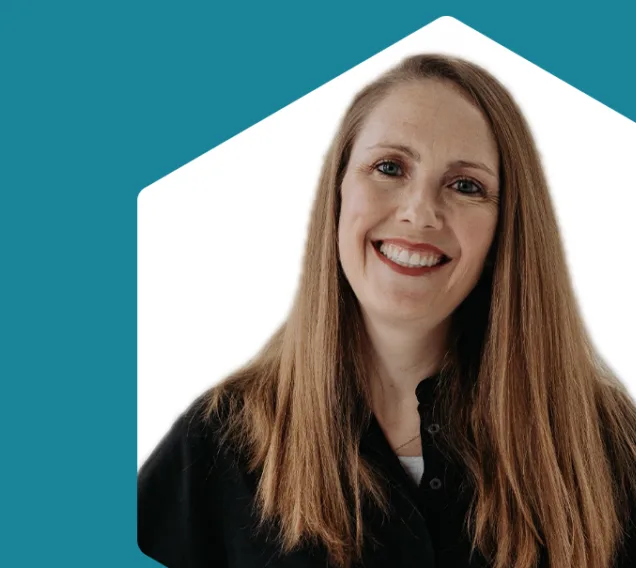
A Specialty That Felt Like Home
For years, Stephanie Persondek, DO, DABOM, built a successful career as an obstetrician-gynecologist, caring for women through some of life's most important moments.
Despite loving her role, she always felt she could make a greater impact on her patients — then she discovered obesity medicine.
During the COVID-19 pandemic, Dr. Persondek became board-certified in obesity medicine. Today, she practices obesity medicine full-time at her own multidisciplinary clinic, where she and six physicians (along with psychologists, dietitians, physical therapists, health coaches, and fitness professionals) work together to help patients improve their health through comprehensive obesity care.
Looking back, she says obesity medicine wasn't simply another specialty. It was where she finally found she belonged.
A Journey She Understood Personally
For Dr. Persondek, obesity medicine is deeply personal. Long before she began treating patients with obesity, she had her own journey with the disease.
She struggled with obesity throughout childhood and into adulthood. Like many of her future patients, she tried countless approaches to lose weight. She dieted, exercised, and even became a certified cycling instructor.
"I did very well in the behavior changes needed to lead a healthy lifestyle," she said. "But I continued to struggle with losing weight."
When the opportunity to become board-certified in obesity medicine became available, she saw it as more than professional development. It was an opportunity to better understand the disease that had affected her own life and to provide the kind of care she wished had existed years earlier.
Building More Than a Clinic
After transitioning into obesity medicine full-time, Dr. Persondek wanted to create a different experience for her patients. She didn't want them to visit a clinic that only focused on prescriptions or numbers on a scale; she wanted to build a community.
Today, her practice reflects every aspect of the four pillars of obesity treatment.
Patients have access to physicians specializing in obesity medicine, behavioral health support, physical therapy, nutrition counseling, health coaching, group fitness classes, and even cooking demonstrations designed to help patients develop practical, sustainable skills.
Their goal is to address every part of a patient's journey.
"We try to get to know the patient as a person before we dive into treatment options," she said.
Every treatment plan begins with understanding the individual's history, goals, and challenges before deciding what approach will best support them.
Understanding Before Treating
One of the biggest misconceptions she hopes people overcome is the belief that obesity is something people simply outgrow or solve through willpower alone. She wants more people to recognize obesity for what it is: a chronic disease.
"It really needs to touch on all of the pillars of the [Obesity Medicine Association (OMA)] to capture the fullest scope of treatment," she said.
That philosophy also shapes the advice she gives clinicians entering obesity medicine. Before learning how to prescribe medications or recommend treatments, she encourages them to understand the people sitting across from them.
"Truly learn the inner workings of the disease before you start treating it."
For clinicians who have never personally struggled with obesity, empathy becomes especially important. She believes providers should understand not only the biology of obesity, but also the emotional experiences patients bring into the exam room.
"We have to understand their past before we can continue to treat them in the future."
Celebrating Life Beyond the Scale
While the tangible results are rewarding, many of Dr. Persondek’s favorite moments have nothing to do with numbers.
Her patients regularly send text messages, emails, and patient portal updates sharing their non-scale victories.
Some finally go skydiving after years of not meeting the weight limit. Others try paddleboarding for the first time because they now have the strength and balance to enjoy it. Some simply visit their primary care physician and discover their cholesterol has improved.
For her, each story represents something much larger.
"They're finally looking at healthcare through a positive lens," she said.
Instead of fearing doctor's appointments, patients begin looking forward to them. Instead of focusing on the limitations, they begin celebrating possibilities.
Those moments remind her why she calls obesity medicine "positive medicine."
Creating a Place to Belong
When asked what accomplishments make her most proud, she doesn't mention awards or certifications; she talks about her clinic.
More specifically, the community it has become. Instead of simply receiving treatment, her patients find encouragement, education, and people who understand their experiences.
"It's created a community versus just a medical clinic," she said.
That sense of belonging mirrors her own journey within medicine. Throughout much of her career, she searched for the place where her skills, interests, and personal experiences aligned.
She finally found that in the OMA. Through the OMA and obesity medicine, she found the patient population she feels most connected to serving.
"It's been helpful and rewarding to truly find the patient population I've been the best at treating and educating."
Finding Joy Along the Way
Outside of medicine, Dr. Persondek believes many of the same lessons she teaches patients apply to her own life.
Rather than forcing herself into forms of exercise she never truly enjoyed, she and her family discovered movement differently. Together, they spend their free time exploring national parks across the country.
"We have found a joy for being outdoors and finding movement that makes sense for our family," she said.
For her, that's exactly what sustainable health should look like. Not doing what someone else says you should enjoy, but finding movement that brings you joy.
Looking Ahead
As obesity medicine continues to evolve, Dr. Persondek hopes more patients and healthcare professionals recognize that successful treatment requires far more than a prescription.
It requires understanding, collaboration, and treating the whole person.
As the OMA celebrates Member Appreciation Month, her story is a reminder that the best care begins with empathy. By combining her own lived experience with evidence-based medicine and a comprehensive team approach, she has created a community where patients feel understood, supported, and empowered to reclaim their health.

Sponsored Ad

Sponsored Ad

Sponsored Ad