
OMA Member Story: Jonathan Fero, FNP-C
Share this post
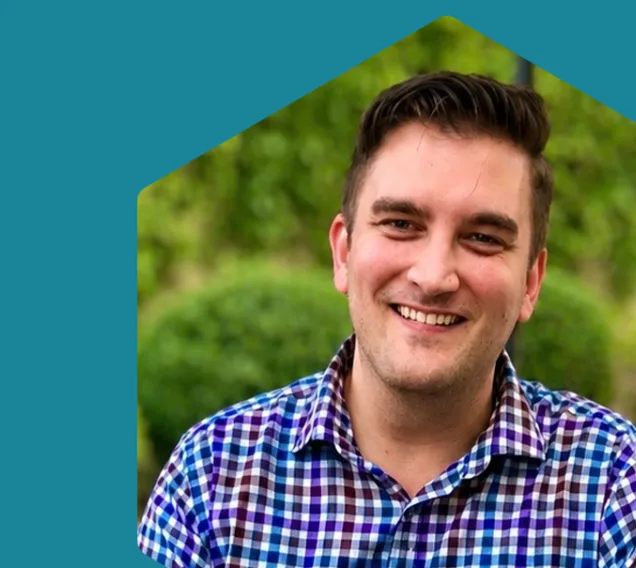
Replacing Stigma with Hope
Sometimes, the most meaningful moments in medicine have nothing to do with a diagnosis.
For Jonathan Fero, FNP-C, one patient encounter made him realize the importance of obesity care.
The patient had come to see Fero for chronic back pain. As he walked through the evaluation, discussing physical therapy, imaging, and treatment options without mentioning her weight, she suddenly began to cry.
Concerned, Fero apologized and asked if he had said something wrong. Her response has stayed with him ever since: "I've never been to a doctor's office where someone has not mentioned my weight."
In that moment, he realized the patient had arrived expecting judgement before the conversation had even begun.
Today, after more than 12 years as a registered nurse and eight years as a family nurse practitioner, he combines primary care and obesity medicine at an onsite clinic serving employees of a technology company in the San Francisco Bay Area. His goal is simple: to provide evidence-based care while making sure every patient feels heard.
An Opportunity to Fill the Gap
Healthcare has always been a big part of Fero’s life: his grandmother, mother, sister, and several aunts worked in nursing. Ironically, nursing wasn't his original career plan—he wanted to go into the entertainment industry.
That changed when his sister entered nursing school. Curious about the profession, he accepted a job as a unit secretary in a hospital to see what healthcare looked like behind the scenes.
He watched nurses and nurse practitioners care for patients and realized this was the career path he wanted to take. Years later, another unexpected opportunity would shape his career once again.
At his current practice, one physician managed all of the obesity medicine consultations while completing her board certification. When she left the practice, so did the clinic's obesity medicine program.
"There was a really big hole in the care for these patients," he said.
Fero had been considering exploring obesity medicine and, without another specialist to refer patients to, he realized the time had come to pursue it.
He enrolled in the OMA's Fundamentals of Obesity Treatment course and later completed the Certificate of Advanced Education. He fell in love with the field of obesity medicine.
It gave him the confidence to talk to patients about their care and their questions around obesity management.
More importantly, it gave him confidence that the guidance he offered was grounded in science.
"I could give them sound advice that's not just from their Google search."
Treating More Than Weight
Although he schedules one or two dedicated obesity medicine consultations each day, he says obesity medicine extends far beyond those appointments.
Even patients coming in for diabetes or hypertension treatment often find themselves discussing obesity as part of their overall health.
"Obesity has become part of the conversation."
Rather than treating individual diseases separately, he helps patients understand how obesity, cardiometabolic health, diabetes, hypertension, inflammation, and hormonal regulation all influence one another.
When talking with patients, he reminds them that obesity treatment is about much more than weight loss.
"We're treating so much more than just the number on the scale," he said. "We're treating dysregulated hormones. We're treating inflammation. We're treating chronic diseases."
That shift in perspective often changes the entire conversation with patients.
Replacing Bias with Compassion
That early patient encounter continues to shape the way Fero approaches every visit.
Rather than assuming patients want to discuss weight, he first asks what brought them into the office and what matters most to them.
If obesity becomes part of the discussion, it happens naturally and is handled through collaboration rather than judgment.
Looking back, he believes that experience revealed how deeply stigma affects patients before they even enter the exam room.
"There's already so much stigma and bias out there, and patients are being inundated with so much information," he said. "It takes a lot of courage to bring it up at an appointment."
He hopes more clinicians recognize just how vulnerable those conversations can be. He also wants patients to understand that obesity is far more complex than many have been led to believe.
"It's so much more than what we've painted it to be in the past."
Helping Patients Find Hope
One of his favorite parts of obesity medicine happens during a patient's very first consultation. By that point, many patients have spent years trying different diets, exercise programs, and weight-loss advice.
"They're well versed on the things they should be doing," he said.
What many haven't experienced is being presented with a comprehensive treatment plan. When he begins discussing nutrition, medications, exercise physiology, body composition testing, and other evidence-based tools, he often sees something change: the patients now have hope.
"They realize this treatment is different."
For many patients, it's the first time someone has explained obesity as a chronic disease instead of a personal failure.
That realization helps them believe that lasting change is possible.
Staying Connected
As obesity medicine continues to evolve, he believes staying engaged with the professional community is just as important as attending educational courses. After he attended his first OMA conference, he was inspired.
"There was so much enthusiasm and passion," he recalled. "I kept thinking, 'How can I keep this feeling going?'"
He found that answer through the OMA's member community. He regularly participates in Connect@OMA discussion boards, learning from clinicians across the country who are navigating many of the same challenges.
For him, the conversations are just as valuable as the educational sessions. He encourages anyone entering obesity medicine to stay involved.
"Being involved with the membership opportunities is a great way to stay inspired and see how other people are dealing with obstacles in the field."
Looking Ahead
What keeps him motivated is knowing obesity medicine continues to evolve at an incredible pace. New treatments, research, and clinical guidance seem to emerge almost weekly.
He knows patients will hear about these developments, and his goal is to make sure they hear accurate, evidence-based information from someone they trust.
As the OMA celebrates Member Appreciation Month, Fero’s story reminds us that obesity medicine begins with listening. By combating stigma with compassion and giving patients hope where they once expected judgment, he is helping redefine what obesity care can look like.

Sponsored Ad

Sponsored Ad

Sponsored Ad