
OMA Member Story: Aradhna Saraswat, MD, DABOM
Share this post
Building a Safe Space for Obesity Care
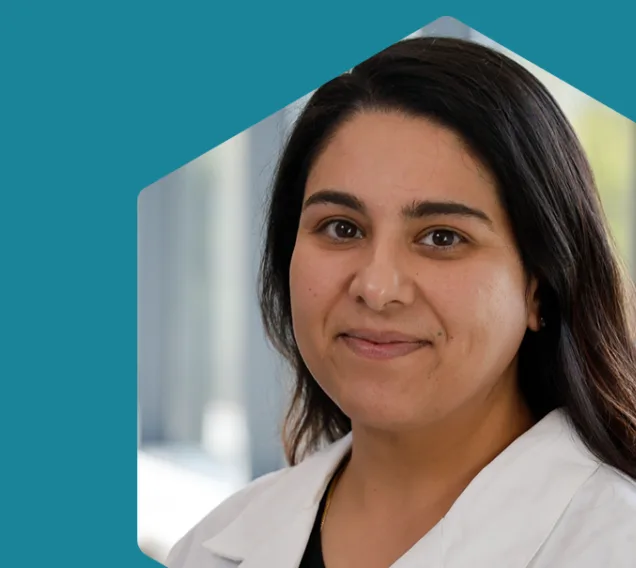
For Aradhna Saraswat, MD, DABOM, obesity medicine is about more than helping patients reach their health goals; it’s about creating a space where they can be vulnerable, heard, and understood.
As an internal medicine and obesity medicine physician at The Ohio State University Wexner Medical Center’s Center for Women’s Health, Dr. Saraswat splits her time between primary care and obesity care.
Through her work, she helps women of all ages navigate some of life’s most challenging situations, including Polyendocrine Metabolic Ovarian Syndrome (PMOS), perimenopause and menopause, and the complications that accompany each of them.
Dr. Saraswat spent more than a decade working as a hospitalist before discovering a passion for obesity medicine during the COVID-19 pandemic. She soon began looking into weight management and earned her American Board of Obesity Medicine (ABOM) certification.
In the hospital setting, Dr. Saraswat took on a variety of positions, including tele-hospitalist and long-term acute care; however, she realized she couldn’t apply her obesity medicine knowledge to patient care like she wanted. This led her to transition to primary care and eventually to her current position at the Center for Women’s Health.
Working within the Center, she established the first weight management and metabolic health clinic where they focus on the unique needs of women.
A Passion That Started Early
Dr. Saraswat’s interest in medicine started at an early age.
Growing up, she witnessed the impact that heart disease and diabetes had on members of her family.
“When you’re little, you always think about how can I help my parents; you worry about what’s going to happen with my parents’ health,” she said.
That concern guided her to pursue a medical degree and navigate the path towards medical school and internal medicine.
Building a Better Model of Care
When Dr. Saraswat started at the Center for Women’s Health, she noticed that, while they had a well-rounded clinic, there was not an established weight management clinic. As that was something that she was very passionate about, she decided to start it herself.
With the support of colleagues who shared her vision, Dr. Saraswat built a clinic that was not only women-focused but also included the metabolic aspect that accompanies many conditions women experience.
“We're able to take what was being done sporadically and make it into a more comprehensive program."
Today, the program includes dietitians, an exercise-as-medicine team, and psychiatrists. Their patients also have access to advanced assessment tools to help give them the best experience in their treatment.
"We're always trying to figure out what we can do, what we can give to patients to have a safe experience, but also an experience that we can cover all the bases they need."
Creating a Safe Space
Dr. Saraswat describes her approach to patient care with one simple word: listening. She believes in the power of providing her patients with the time to talk and express themselves.
When she meets a new patient, she typically schedules an hour-long appointment so they can fully share their story.
“The topic of weight management is usually a very sensitive topic for my patients,” she said.
Dr. Saraswat often refers to many of her initial visits as a “Kleenex box”
“We have a Kleenex box in every room knowing that it’s a very emotional thing to talk about and, with first visits, we know that we’re going to have some emotional tears.”
For many patients, they are coming into a first appointment with years of stigma and negative experiences that have shaped how they view healthcare and themselves. Dr. Saraswat wants her patients to feel safe to express that during this visit.
"Sometimes I'll even hear patients say, ‘I'm really sorry I'm crying. I don't know why I am.’ I always tell them, “It's okay! I want you to feel comfortable, I want you to feel safe, and I want you to be able to say and express whatever you need to."
She believes creating that safe space from the beginning is essential to successful care.
"Patients need that time, especially in the beginning, to be able to let go of a lot of biases from experiences that they've had in the past.”
There's No One-Size-Fits-All Solution
One of the aspects of obesity medicine that Dr. Saraswat finds the most rewarding is the opportunity to tailor treatment to each patient. She believes collaboration is one of the strongest tools in treating obesity.
"The biggest rewards are figuring it out, because there's not a one-size-fits-all for everybody. There's not one path…I love hearing patients' stories and being able to connect with them and being able to help. It’s all about teamwork and our whole group helping patients get to their goals."
That collaborative mindset extends beyond the first visit. She works closely with patients to create realistic expectations and sustainable plans that fit their lives.
“This is a long process and not something that’s going to be a couple of days, or one month, or a one-time meeting. This is something that we’re in together."
Finding Her Place in Obesity Medicine
Looking at her career thus far, Dr. Saraswat is most proud of how she has stayed enthusiastic about the work she is doing.
“Our career is half of what we do. We have our home life, and then we have our career. I wanted to make sure that I’m still passionate about whatever I’m doing, that I’m still happy and excited to come into work."
Her transition into obesity medicine helped reignite that passion, and she soon discovered a supportive professional community through the Obesity Medicine Association.
When she first entered the field, she was moving from hospital medicine into outpatient obesity medicine and had limited experience in that setting. She shared how OMA helped her bridge that gap, particularly through attending conferences.
“Every time I go to one of the OMA conferences, I always pick up so much knowledge that I’m able to implement.”
Just as important to her is the sense of community she has built within OMA.
“Being able to connect with people in the space is so important so you don’t feel like you’re navigating it alone — you have this giant team behind you too."
Encouraging the Next Generation
For clinicians considering obesity medicine, Dr. Saraswat encourages them to do what excites them. Whether it’s creating a weight management clinic or providing obesity medicine in primary care, Dr. Saraswat believes there is room for every clinician to make a meaningful impact.
“It’s finding your passion, figuring out how you want to help, what patient population you want to target, and pursuing that medicine you’re really passionate about. You’ll do great wherever you go.”
She often shares a similar message with residents and early-career physicians.
“If you don't find your perfect space, then that space is probably not for you. Go pursue something else. Do something of your own. Create a program yourself. The possibilities are endless, but there are so many ways that we can all help, and there's so much space for all of us."
Wellness Beyond the Clinic
Outside of her work, Dr. Saraswat is an early riser who begins her day at 3:30 a.m.
She uses those quiet hours of the morning to practice mindfulness and self-care, incorporating cold plunges, red light therapy, working out, and sauna sessions.
She is also passionate about Zumba and holds multiple certifications with plans to earn even more.
Her commitment to wellness reflects the message she shares with patients every day that health is a lifelong journey.
As OMA celebrates Member Appreciation Month, Dr. Saraswat's story highlights the power of listening, collaboration, and community. By creating a comprehensive program for women and fostering a safe space where patients can share their stories, she is helping transform obesity care, one conversation at a time.